
Your body already knows whether today should be a hard training day or a rest day. The question is whether you’re listening.
What heart rate variability actually is
HRV measures the variation in time between consecutive heartbeats. Higher variability generally signals a well-recovered, adaptable nervous system — ready to take on stress. Lower variability signals the opposite — recovery is incomplete and the body is less prepared to absorb training stress.
How HRV coaching works
Traditional training programs are built on fixed schedules that don’t know how you slept, whether you’re fighting off a cold, or whether work stress has your cortisol elevated. HRV coaching uses daily readiness data to adjust training load in real time.
High HRV relative to your baseline — train as planned, push hard. Low HRV — reduce intensity, shift to active recovery, or rest. The result is a training program that responds to the athlete rather than asking the athlete to conform to the program regardless of state.
The equipment you need
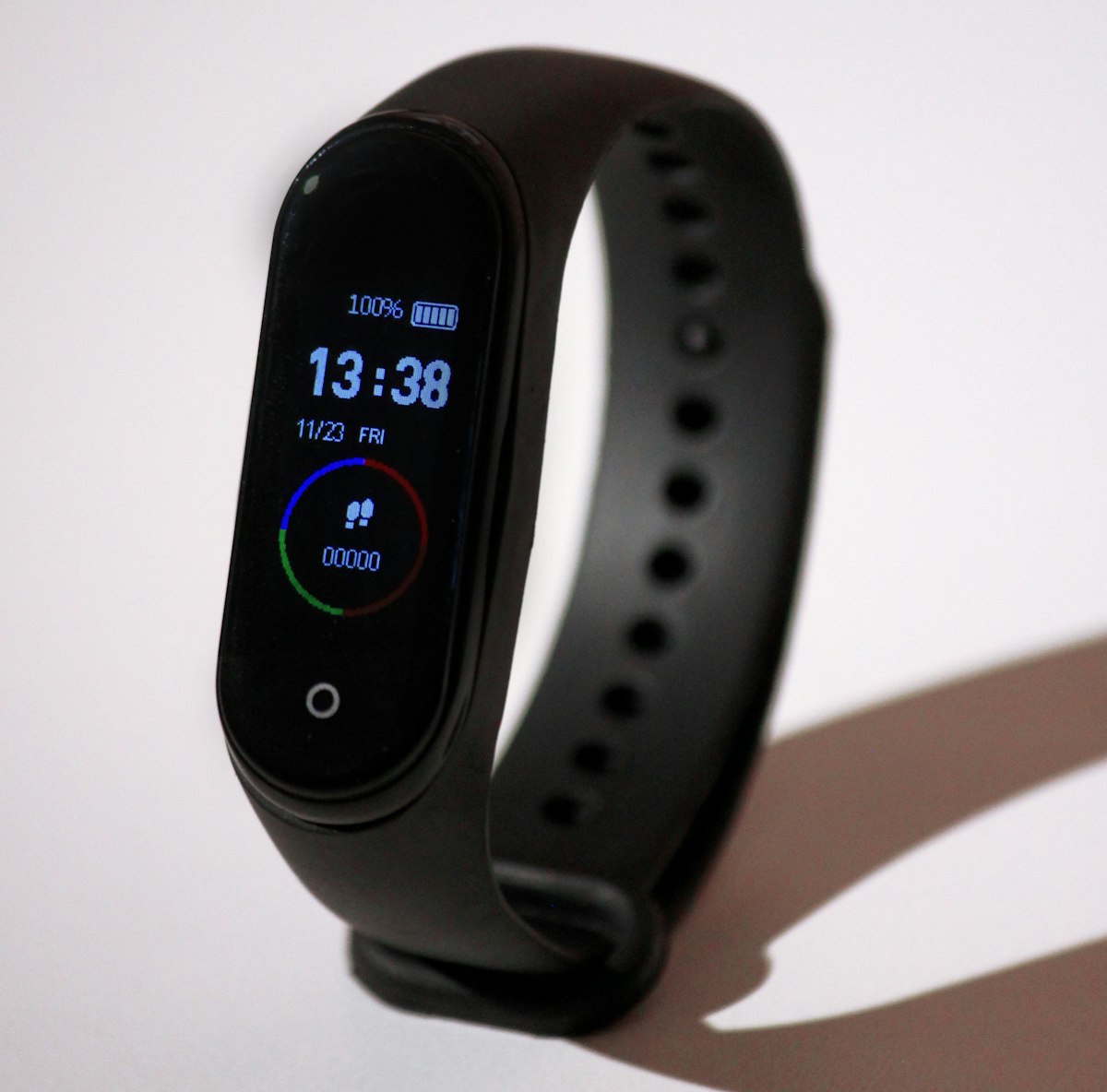
A chest strap heart rate monitor gives the most accurate readings. Many athletes use wrist-based wearables like WHOOP, Garmin, or Oura Ring. The key is consistency — measure the same way, at the same time, every day. Morning measurements taken immediately upon waking produce the most reliable baseline.
What HRV coaching actually changes
For most people, the first thing HRV data reveals is that they were training hard on days when their body was already stressed, and going easy on days when they were well-recovered. Over time, hard sessions happen when the body is prepared to respond and recovery is taken seriously. The gains are real, but they compound over months, not days.
The honest limitations
HRV is a useful signal, not a perfect oracle. It doesn’t capture everything. Some people find the daily data loop anxiety-inducing rather than helpful. Used well, HRV coaching makes training smarter — not easier, smarter.
Fit Design Plus works with gym owners, operators, and fitness facilities to design training environments and programs built for real-world performance. Based in Wichita Falls, TX.