
Designing a fitness center layout might not sound glamorous—kind of like organizing your sock drawer by color or mood—but it’s actually the key to transforming a sweaty room full of gym equipment into a vibrant fitness hub that members rave about and love returning to. This is more than just placing treadmills next to free weights; it’s the secret sauce that makes your gym welcoming, efficient, and safe. After all, no one wants to navigate a maze or constantly dodge machines during their workout.
Let’s explore the art and science behind an effective fitness center layout—without putting you to sleep faster than a 10-minute plank. Ready? Let’s dive in.
Why a Smart Fitness Center Layout Matters
Think of your fitness center as a theme park—if the roller coaster is tucked away in a corner with only one narrow path leading to it, chaos and frustration follow. Similarly, your gym’s floor plan affects who visits, how members move, and the overall vibe they take away.
Here’s why clever layout design matters:
- Enhanced User Experience: A smooth layout avoids congested spaces, making workouts feel natural and enjoyable, not like an obstacle course.
- Safety First: Proper spacing and clear sightlines help prevent accidents and collisions.
- Operational Efficiency: Smart design simplifies cleaning and maintenance while helping staff monitor the floor effectively.
- Member Retention: An inviting and easy-to-navigate gym keeps members happy, loyal, and coming back for more.
If you’re still with me, you’re already ahead!
Building Blocks of an Effective Fitness Center Layout
1. Entrance & Reception: The Warm Welcome
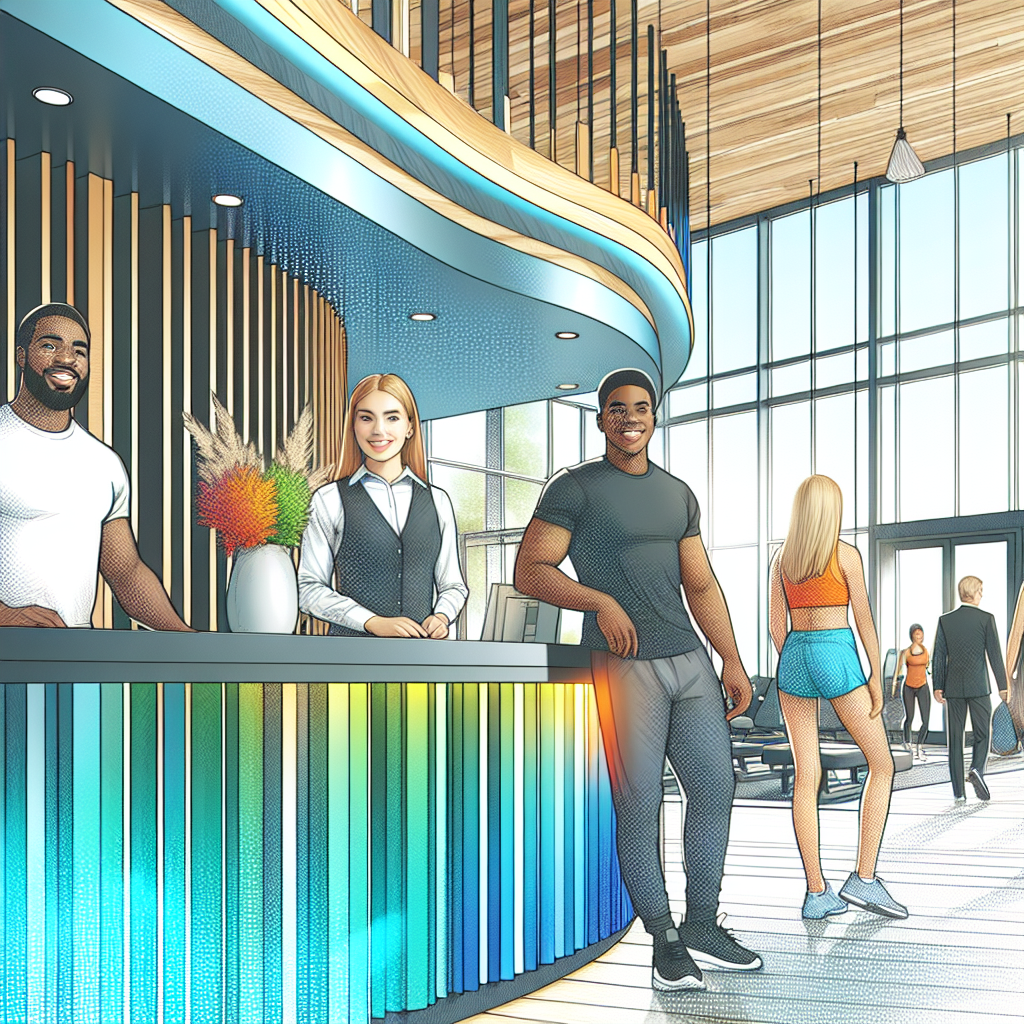
Your reception area should feel open and inviting—a place where members are greeted warmly and can easily check in, store belongings, and find information. Bonus points for a design that offers staff visibility across the gym floor.
2. Smart Zoning for Every Workout Style
Different zones keep your fitness center organized and comfortable:
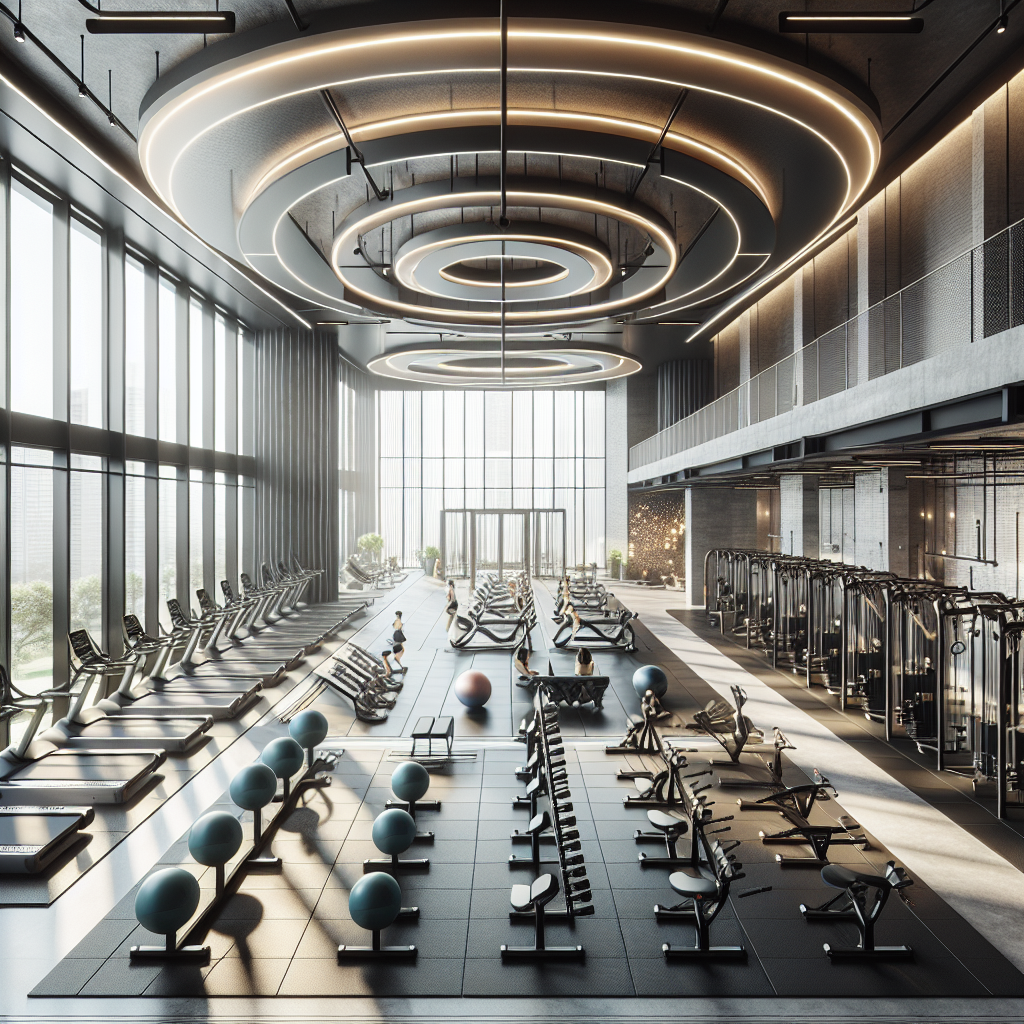
- Cardio Area: Place treadmills, ellipticals, and bikes near windows to maximize natural light and views.
- Strength Zone: Allocate ample space for free weights and machines to avoid crowding.
- Functional Fitness: Provide open space for stretching, bodyweight exercises, and kettlebells—free from obstacles.
- Class Studios: Soundproof rooms for yoga, spin, or dance classes create the perfect atmosphere.
- Specialty Zones: Include areas for boxing, CrossFit, or any niche workouts your members love.
Separating loud, heavy activities from quiet zones ensures everyone enjoys their time.
3. Clear Walkways & Easy Flow
Wide, unobstructed paths prevent traffic jams and create a natural flow. Think about emergency exits too—they should be accessible without hassle.
4. Spacious & Safe
Keep at least 36 inches between machines and 24-48 inches for aisles to maintain comfort and safety, preventing any accidental bumps or slips.
5. Lighting & Ambiance
Lighting sets the mood:
- Use natural sunlight in cardio and yoga spaces for an energizing outdoor feel.
- Employ adjustable LEDs to switch between bright HIIT sessions and calm yoga classes.
- Position mirrors to help members check form and celebrate their progress.
6. Essential Support Stations
Lockers, showers, restrooms, and water stations may not be glamorous but are vital for a seamless gym experience that keeps members happy and coming back.
Popular Fitness Center Layout Styles
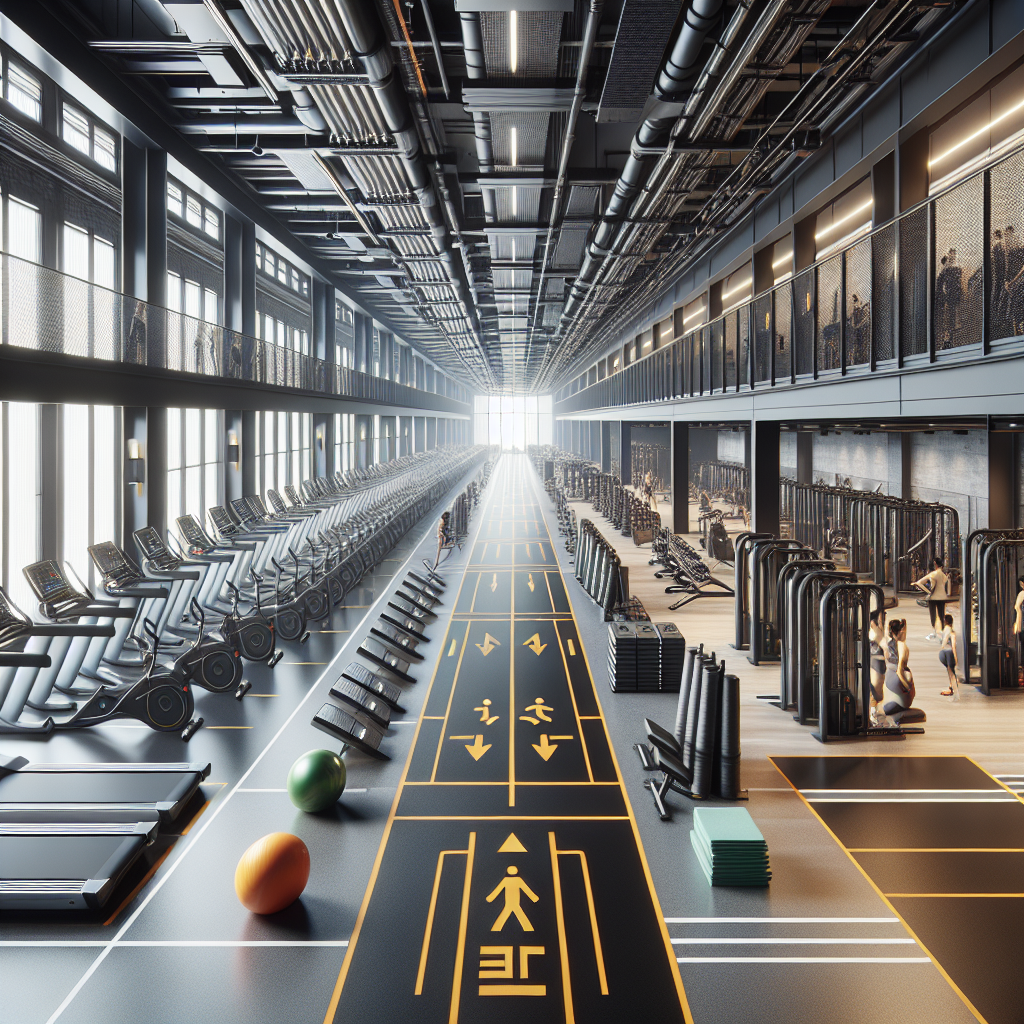
- Linear Layout: Classic and clean with cardio machines in a row by windows and weights behind.
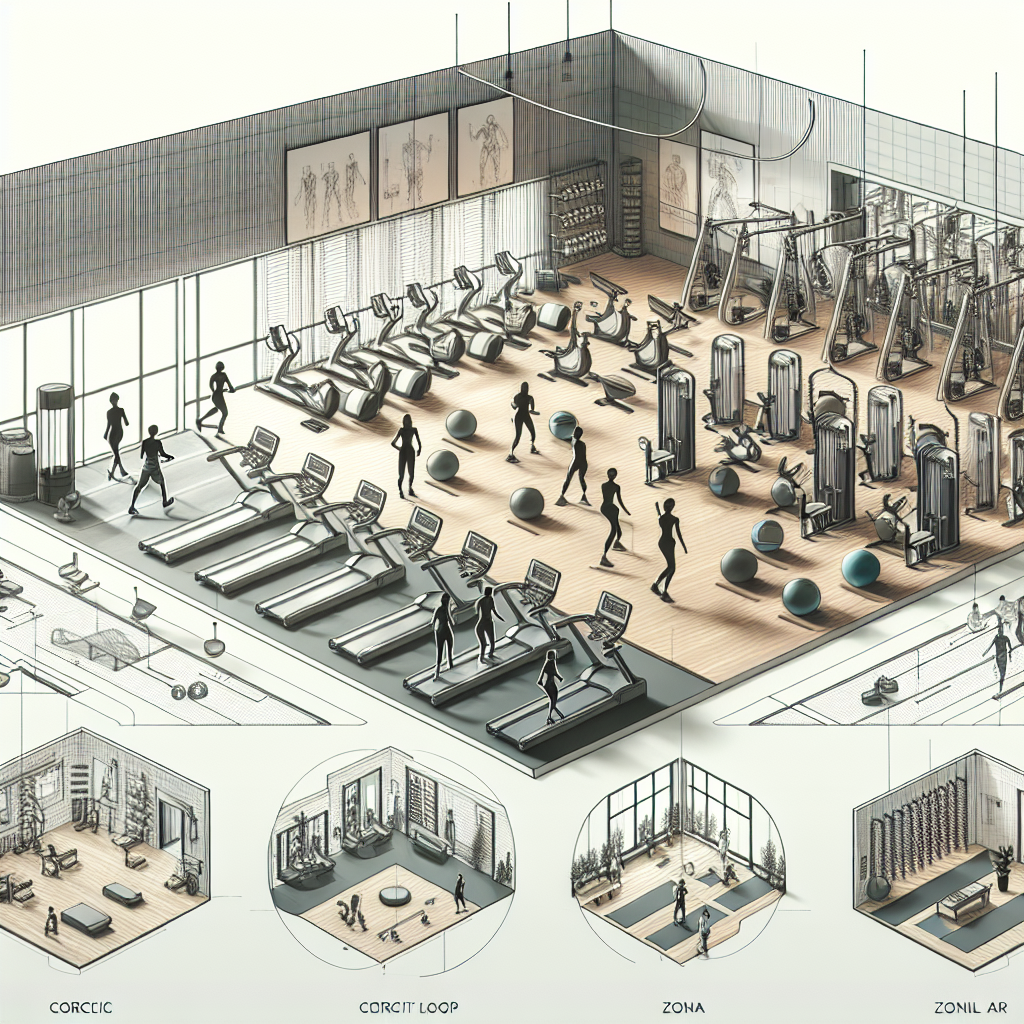
- Circuit Layout: Equipment arranged in loops for high-energy HIIT or boot camp classes.
- Zonal Layout: Large gyms separate spaces by activity type or member preferences, like women-only zones.
- Boutique Studio: Small, specialized areas for yoga, Pilates, or other focused classes.
Expert Insights
Design platforms like RoomSketcher blend style and function seamlessly for both indoor and outdoor gym spaces. FitnessDesign Group emphasizes natural light and clutter-free corridors to enhance the exercise experience, while Wod.guru champions flexible spaces and bright environments that adapt to changing trends.
Pro Tips for Your Gym Layout
- Understand your audience—families want fun zones; serious lifters prefer ample space.
- Prioritize safety with proper spacing and clear sightlines.
- Use modular zones to keep up with evolving fitness trends.
- Incorporate technology like smart check-ins and app integration.
- Don’t hesitate to hire professionals who specialize in gym design.
Remember, your goal is to create a fitness center that members choose to visit enthusiastically—not a confusing maze that makes them second-guess their plans. Perfecting your layout means more than just arranging equipment; you’re building a thriving fitness community. Ready to create the gym everyone talks about? Let’s get started!
Stay tuned for future posts on designing the perfect protein shake bar. Until then, keep those layouts flowing!