
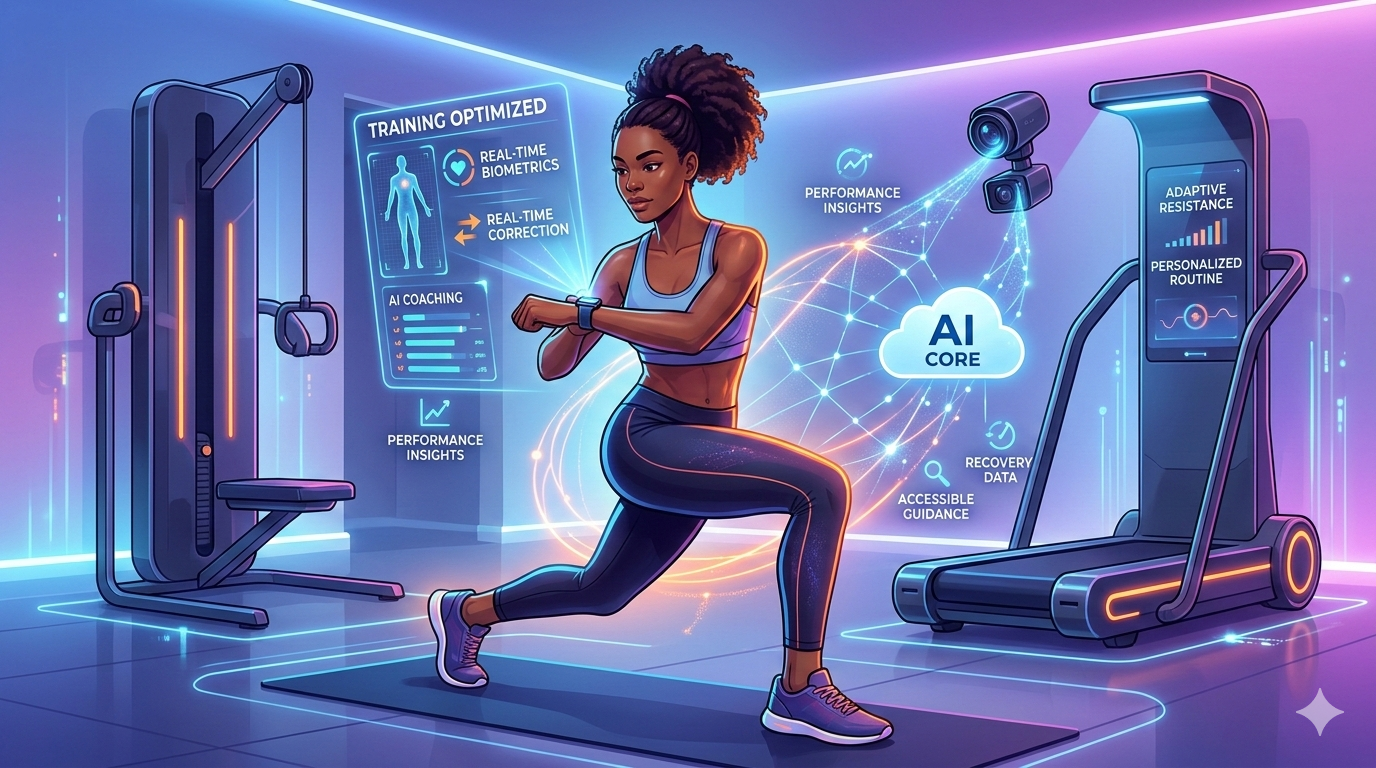
The intersection of artificial intelligence and fitness technology is changing the way people train, recover, and reach their health goals. What used to be a luxury reserved for personal trainers and elite athletes is now available to anyone with a smartphone. AI-powered body scans, smart gym equipment, and apps can now provide real-time feedback and adjust workouts based on your performance.
While these technologies promise unprecedented personalization and accessibility, they also raise questions about privacy and the role of human coaches. This essay explores how AI is transforming the fitness industry—enhancing training, improving performance, and making professional guidance more widely available—while also considering the challenges that come with these innovations.
Personalization: Making Fitness Truly Individual
One of the most exciting impacts of AI in fitness is the ability to tailor workouts to each individual. Modern AI systems can learn from every session to optimize future training, making programs smarter and more responsive than ever before.
Adaptive Workouts and Real-Time Feedback
AI-driven apps like Peloton and Apple Fitness+ can adjust workouts on the fly, based on your performance, energy levels, and previous sessions. Some systems even offer real-time form correction, helping prevent injuries—something that was previously possible only with personal trainers.
Smart gym equipment with motion sensors can analyze your movement patterns and suggest adjustments to maximize results. It can detect if you’re overtraining or performing exercises incorrectly and provide immediate guidance.
Personalized Nutrition and Recovery
AI doesn’t stop at workouts. Many apps now provide nutrition and recovery advice tailored to your metabolism, sleep, and training load. For example, AI-powered body scan technology can measure body composition, fat percentage, and metabolic rate, giving insights that guide both exercise and diet.
This approach also extends to injury prevention. By monitoring biomechanics, AI can spot movement patterns that may lead to injury and suggest corrective exercises before a problem arises. This proactive focus is a significant shift from the traditional reactive approach.
Performance Optimization: Pushing Limits
AI isn’t just for casual users. Elite athletes and competitive enthusiasts are leveraging AI to gain an edge.
Wearables and Predictive Analytics
Modern wearables track heart rate, variability, sleep quality, and recovery metrics. Feeding this data into AI systems allows predictive analytics to identify signs of overtraining before it impacts performance. Even sleep recommendations can now be customized to the individual rather than relying on generic guidelines.
Biomechanics and Injury Prevention
Smartphones and sensors can now analyze movement in detail. Runners can identify the source of knee pain, while those recovering from injury can track their progress more accurately. AI brings elite-level biomechanical analysis to everyone, not just professional athletes.
Accessibility: Breaking Down Barriers
Perhaps the most transformative effect of AI in fitness is its ability to make professional-quality guidance accessible to more people.
Affordable Coaching
While personal trainers can be expensive, AI-driven apps often cost $10–$30 per month. This allows people who couldn’t previously afford personal training to receive tailored workouts and guidance at a fraction of the cost.
24/7 Access and Inclusivity
AI coaching isn’t constrained by time or location. Whether you’re in a rural area, working a night shift, or juggling family commitments, AI programs are available anytime. They can also adapt workouts for individuals with injuries, chronic conditions, or disabilities, making fitness more inclusive for everyone.
Challenges and Considerations
Privacy and Data Security
AI fitness systems rely on sensitive data: biometrics, movement patterns, and sometimes location. Protecting this information is crucial. Breaches could expose personal health information or make users vulnerable to misuse.
The Human Element
No matter how advanced AI becomes, it can’t replace human motivation, accountability, and encouragement. Many people still benefit from a coach’s presence and feedback. The future likely involves a hybrid approach—AI handling data and personalization while humans provide guidance, motivation, and community support.
Trust and Transparency
AI recommendations can feel like a “black box.” Users need explanations they can understand to trust and follow advice. Ensuring AI guidance is transparent will be key for long-term adoption.
Conclusion
AI is transforming the fitness industry by making workouts more personalized, optimizing performance, and broadening access to professional guidance. These innovations can improve health outcomes for millions of people. However, privacy, equity, and the human element remain critical. The most sustainable future for fitness combines AI’s analytical power with the motivational and supportive role of human coaches. By addressing these challenges, the industry can fully harness AI’s potential while keeping fitness personal and accessible.